Source Ball Joint Removal Tool Set for Car Repair, Suspension, and Steering
Compare 30 Ball Joint Removal Tool Set options from verified suppliers in China and Taiwan. These universal repair tools feature carbon steel construction, zinc plating, and custom branding for automotive maintenance tasks.
Key considerations
Products List
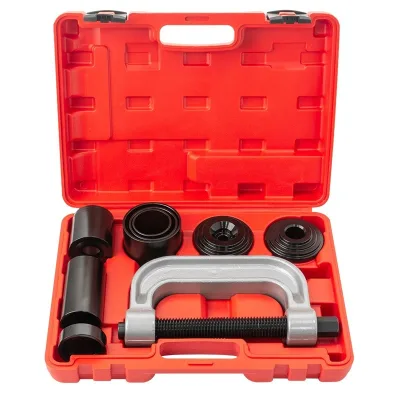

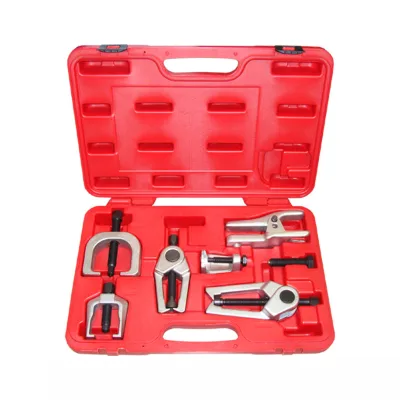
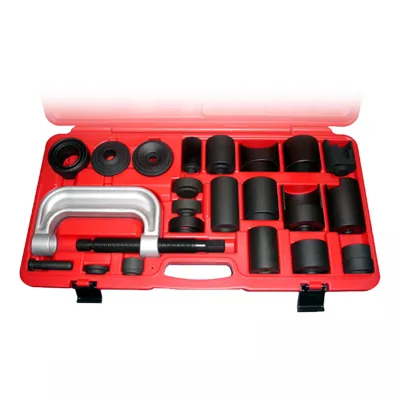

Automobile 5PCS Front End Service Tool Kit Ball Joint Removal Tool Separator Set
$20.90 - $29.90
MOQ: 10 Pieces
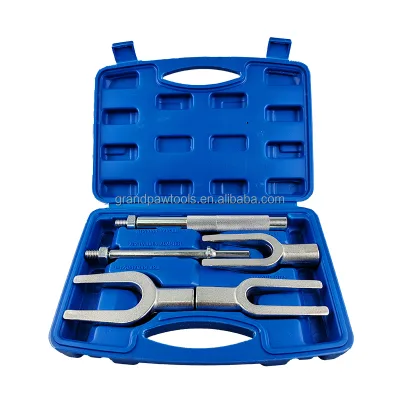


Ball Joint Separator 24mm Ball Joint Puller Ball Joint Puller Removal Tool Kit
$4.50 - $4.80
MOQ: 500 Pieces

Ball Joint Puller 19mm Ball Joint Separator Ball Joint Puller Removal Tool Kit
$4.00 - $4.20
MOQ: 500 Pieces


Puller Set Ball Joint Puller Hydraulic Puller Set Gear Puller Kit Removal Tool Kit
$5.94 - $6.34
MOQ: 300 Pieces
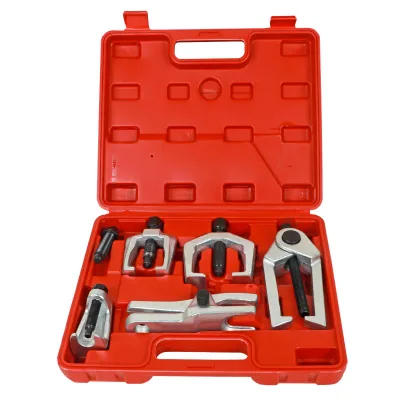
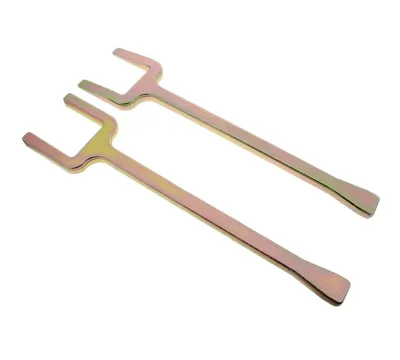


Universal Ball Joint 4 Wheel Drive Ball Joint Remover Installer Tool Kit
$10.00 - $30.00
MOQ: 500 Pieces


Auto Repair Equipment Tool Kit Ball Joint Tie Rod End Remover Kit (48070001)
$7.57 - $13.62
MOQ: 100 Pieces

Comprehensive Sourcing Guide
Ball Joint Removal Tool Set Sourcing Guide
Sourcing a Ball Joint Removal Tool Set requires a disciplined approach to verifying tool geometry, material hardness, and load-bearing capacity. These tools are critical for automotive repair operations, specifically for separating ball joints from control arms and steering knuckles without damaging suspension components. Buyers must distinguish between simple fork-type separators and comprehensive master adapter sets that accommodate a wide range of vehicle architectures. The decision to procure a universal set versus a specialized kit depends heavily on the service center’s vehicle mix and the frequency of front-end suspension repairs.
Procurement decisions should be driven by an analysis of observed market signals, including price ranges, minimum order quantities (MOQs), and lead times. Current market data indicates a price range of $1 to $104.54 USD, with MOQs varying significantly from 5 to 3,000 units. This variance suggests a market segmented by both retail-grade hand tools and industrial-grade professional kits. Buyers must align their order volume with the supplier’s production capabilities while ensuring that the tool specifications meet the mechanical demands of modern vehicle suspension systems.
Product Scope and Observed Listing Signals
The observed product landscape includes distinct categories such as ball joint separators, front-end service sets, and master adapter kits. Listings frequently highlight specific model numbers like FA-1011, 923-1299, and 925-6101, indicating a fragmented market with multiple manufacturers offering similar functional tools. Common material specifications include carbon steel and 45cr steel, with surface treatments such as zinc plating to resist corrosion. Packaging varies from blow-molded cases to neutral boxes, reflecting different target markets ranging from individual mechanics to fleet maintenance operations.
Brand presence is notable, with names like Faster and AUTOMASTER appearing in listings, alongside OEM branding options. This indicates that many suppliers are willing to customize products for private label distribution. The tools are generally described as universal fitment, designed to handle a broad spectrum of automotive repair tasks. However, buyers should verify that "universal" claims are supported by the inclusion of appropriate adapters and press plates, as generic tools may fail on specific vehicle models with non-standard ball joint threads or housing geometries.
Technical Specifications to Verify
Material composition is a primary technical factor, with carbon steel and 45cr steel being common choices. Buyers must verify the heat treatment and hardness of the steel to ensure the tools can withstand high hydraulic or mechanical pressure without bending or fracturing. The surface finish, often zinc-plated, provides essential corrosion resistance, which is critical for tools stored in humid garage environments. Additionally, the dimensional accuracy of the fork tips and press plates must be checked to ensure a snug fit on ball joints, preventing slippage during operation.
Packaging and physical dimensions also impact logistics and usability. Single package sizes around 38x29x9 cm and gross weights near 6.8 kg suggest a substantial, durable kit. Buyers should confirm whether the packaging includes protective inserts to prevent damage to delicate adapter tips during transit. The inclusion of a blow-molded case or a sturdy carton with custom logos can enhance brand perception for retail buyers. Furthermore, the availability of customization options, such as custom logos and specific color schemes like red or blue, allows buyers to tailor the product to their brand identity.
Compliance and Safety Documentation
While specific certification standards are not universally listed, buyers must request documentation confirming that the tools meet relevant safety and quality standards for automotive hand tools. This includes verifying that the steel composition and manufacturing processes comply with industry norms for durability and safety. Suppliers should provide evidence of quality control processes, such as material testing reports or hardness checks, to assure buyers that the tools will not fail under load.
Warranty terms are a key indicator of supplier confidence in their product. Listings show warranty periods ranging from 1 year to 18 months, which buyers should consider when evaluating total cost of ownership. A longer warranty period may indicate higher manufacturing quality and better after-sales support. Buyers should also inquire about the supplier’s policy for defective items, including replacement procedures and cost responsibilities for shipping. Clear warranty terms reduce risk and provide a safety net for procurement investments.
Cost Drivers and Commercial Terms
Price variability is influenced by material quality, packaging complexity, and order volume. The observed price range of $1 to $104.54 USD reflects differences between basic single tools and comprehensive kits with multiple adapters. Buyers should analyze the cost per unit in the context of the tool’s durability and functionality, rather than focusing solely on the lowest price. Higher-priced kits often include more versatile adapters and superior materials, which can reduce long-term replacement costs.
Minimum order quantities (MOQs) range from 5 to 3,000 units, catering to both small businesses and large distributors. Buyers with lower volume needs may face higher per-unit costs or limited customization options. Lead times of 7-30 days are typical, allowing for production and quality checks. Buyers should plan their inventory management around these lead times to avoid stockouts during peak repair seasons. Negotiating flexible MOQs or tiered pricing can help optimize cash flow and inventory levels.
Supplier Qualification and Quality Control
Supplier location is a significant factor, with many products originating from Zhejiang, China, and Jiangsu, China, as well as Taiwan. These regions are known for their manufacturing capabilities in automotive tools. Buyers should verify the supplier’s production capacity and quality management systems to ensure consistent product quality. Requesting samples before placing large orders is essential to evaluate the tool’s fit, finish, and performance in real-world applications.
Customization capabilities, such as accepting custom logos and specific packaging, indicate a supplier’s flexibility and customer focus. Buyers should assess the supplier’s responsiveness to customization requests and their ability to maintain quality during the customization process. Additionally, checking the supplier’s track record and customer reviews can provide insights into their reliability and service quality. A qualified supplier should be transparent about their manufacturing processes and willing to provide necessary documentation and support.
Long-Term Procurement Checks
Long-term success in sourcing ball joint removal tool sets depends on establishing a reliable supply chain and maintaining consistent quality. Buyers should conduct regular audits of supplier performance, including delivery times, product quality, and customer service. Building a strong relationship with suppliers can lead to better pricing, priority production, and access to new product developments. Continuous monitoring of market trends and technological advancements in tool design can also help buyers stay competitive.
Reviewing warranty claims and customer feedback is crucial for identifying potential quality issues early. Buyers should maintain a record of any defects or failures and communicate these findings to suppliers to drive continuous improvement. Additionally, exploring opportunities for product diversification, such as adding related automotive repair tools to the procurement portfolio, can enhance the value proposition for end customers. A proactive approach to supplier management and quality assurance ensures long-term profitability and customer satisfaction.
FAQs
What is the lead time for ball joint removal tool sets?
The lead time for these tools ranges from 7 to 30 days. This duration applies to standard orders and may vary based on specific customization requests or current production capacity at the manufacturing facility.
Which materials are used to manufacture these tools?
These tools are primarily constructed from carbon steel or 45cr steel. The surface is treated with zinc plating to ensure durability and resistance against corrosion during automotive repair operations.
Can I request a custom logo on the product?
Yes, custom logo acceptance is available for these ball joint removal tools. Buyers can specify their branding requirements, and the manufacturer will accommodate these customization needs on the product or packaging.
What is the minimum order quantity for these tools?
The minimum order quantity ranges from 5 to 3000 units depending on the specific product model and configuration. Buyers should verify the exact MOQ with the supplier before placing a bulk order.
Where are these ball joint removal tools manufactured?
These tools originate from manufacturing locations in Zhejiang, China, and Jiangsu, China. Some specific models may also be sourced from Taiwan, China, depending on the supplier and product line.
What warranty is provided for these repair tools?
Warranty periods typically range from 1 year to 18 months for these ball joint removal sets. The specific duration depends on the manufacturer and the particular product model purchased by the buyer.